The Near-Zero Cement Plant
The Pioneering Initiative in Lägerdorf Drives Forward Large-Scale CO₂ Capture
Technologies for capturing CO₂ stand as a cornerstone in the global transition towards a future-proof transformation of industry. The aim: To capture emissions before they enter the atmosphere. Despite this crucial goal, such technologies have yet to find widespread adoption on an industrial scale. However, the pioneering project in Lägerdorf is set to bridge this gap, ushering in a new era for large industrial plants.
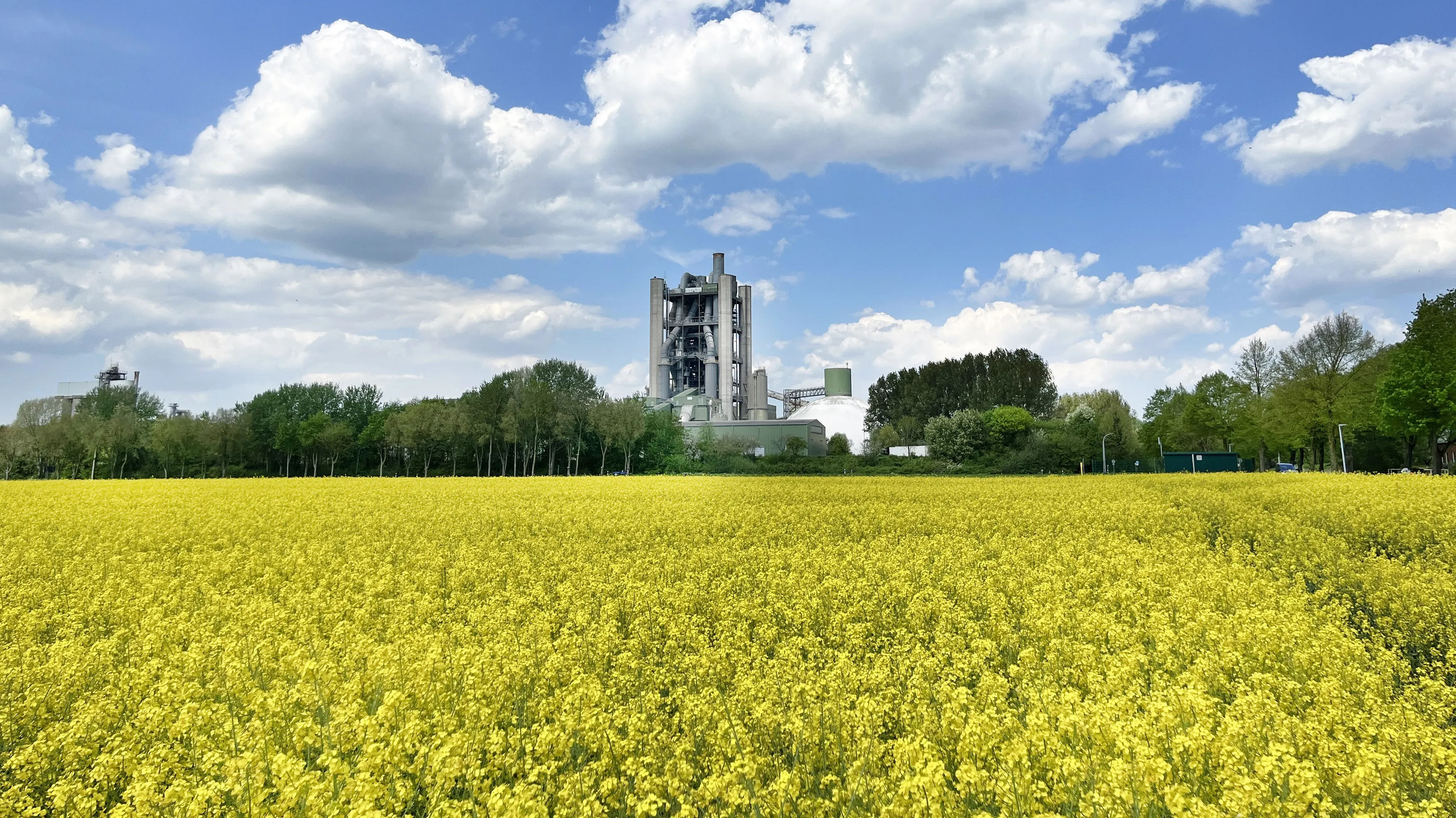
Holcim Germany is building a kiln in Lägerdorf that has the potential to serve as a blueprint for the industry. For processes with emissions that are difficult to avoid, technologies for CO₂ capture can play an important role. The greenhouse gas is captured from the exhaust air to prevent it from entering the atmosphere.
The significance of these CO₂ capture technologies is twofold. Firstly, transitioning entire industries to CO₂-free production – for example through renewable energy adoption – is a time-consuming process. The implementation of CO₂ capture will significantly expedite the journey towards future-proof economies. And time is pressing. Secondly, relying solely on CO₂ avoidance solutions will not suffice. Certain unavoidable emissions persist, such as those from the cement industry, where a significant portion stems from inherent chemical reactions in raw materials during the production process.
How Other Industries Benefit from the Development
While CO₂ capture technology exists, its application has primarily been confined to smaller-scale projects. In Lägerdorf, where we currently emit 1.2 million tons of CO₂ annually, our aim is to eliminate these emissions in the future. As one of the country's largest CO₂ emitters, achieving this goal necessitates a significant technological leap.
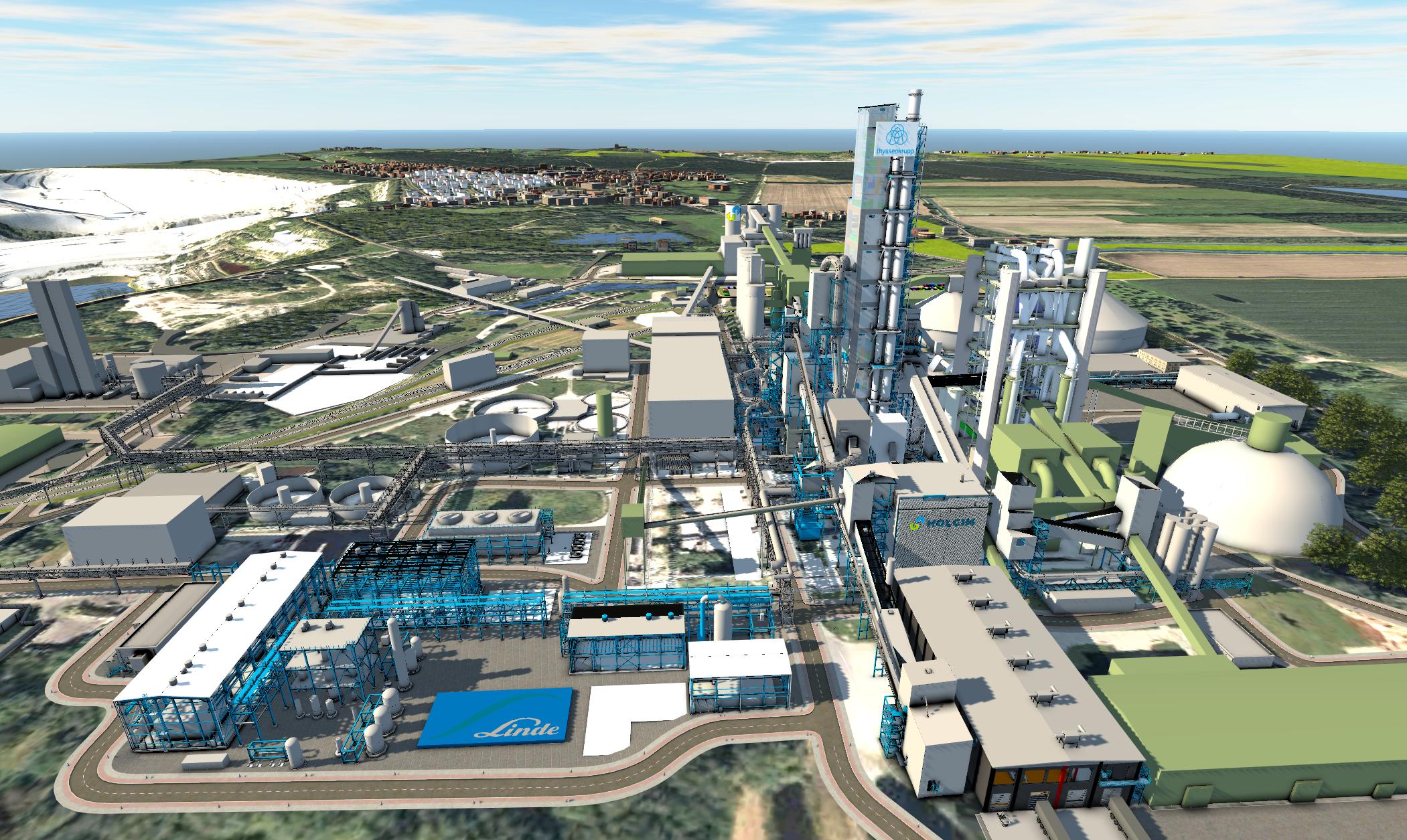
Collaborating with partners such as thyssenkrupp Calvion and Linde Engineering, we are advancing CO₂ capture technology in Lägerdorf to meet the demands of large-scale industrial plants. These advancements will have ripple effects across various industries.
The introduction of the second-generation Oxyfuel process, which significantly enhances efficiency, enables the capture of nearly 100 percent of CO₂ emissions. By injecting pure oxygen into the cement kiln combustion process instead of ambient air, a CO₂-rich process gas is generated and subsequently cleaned in a Carbon Processing Unit (CPU). This ensures that CO₂ is not released into the atmosphere but is instead processed for use as a raw material.
A Pioneering Project of Paramount Importance
The decarbonization of the cement plant in Lägerdorf represents a pioneering initiative. In total, we are investing a mid three-digit million amount in the construction of the near-zero cement plant. Recognizing its significance, the European Union has designated it as an innovation project of outstanding importance, providing support amounting to approximately 110 million euros from the EU Innovation Fund. This fund stands as one of the world's largest programs dedicated to funding the deployment of net-zero technologies and other innovations.
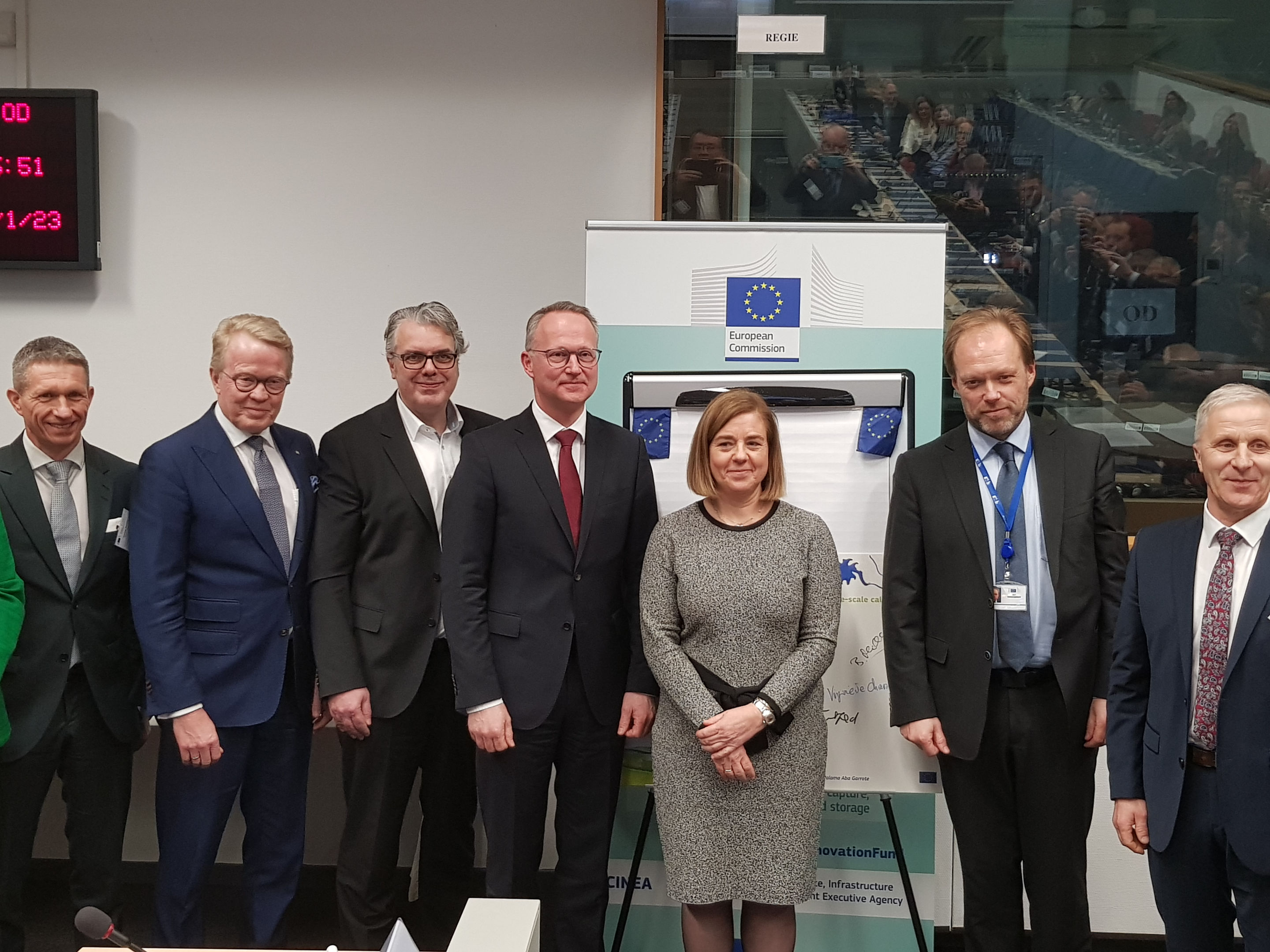
Frans Timmermans, Vice President of the European Commission, underlined the importance of this financial support during the grant handover, stating, “The funding will assist innovative companies in developing the cutting-edge technologies we need to drive forward the environmental transition.“
The grant certificate, awarded at the outset of 2023, marked the official commencement of the project. In 2024, Holcim Germany celebrated the groundbreaking ceremony and initiated preliminary work at the Lägerdorf plant that does not require permits. In the summer of 2026, the project was selected as the first of a total of three strategic projects from Germany under the Net Zero Industry Act (NZIA). Upon approval, the new kiln line 12 and the CPU will be constructed. The cement plant is scheduled to begin operations with near-zero CO₂ emissions in the coming years.